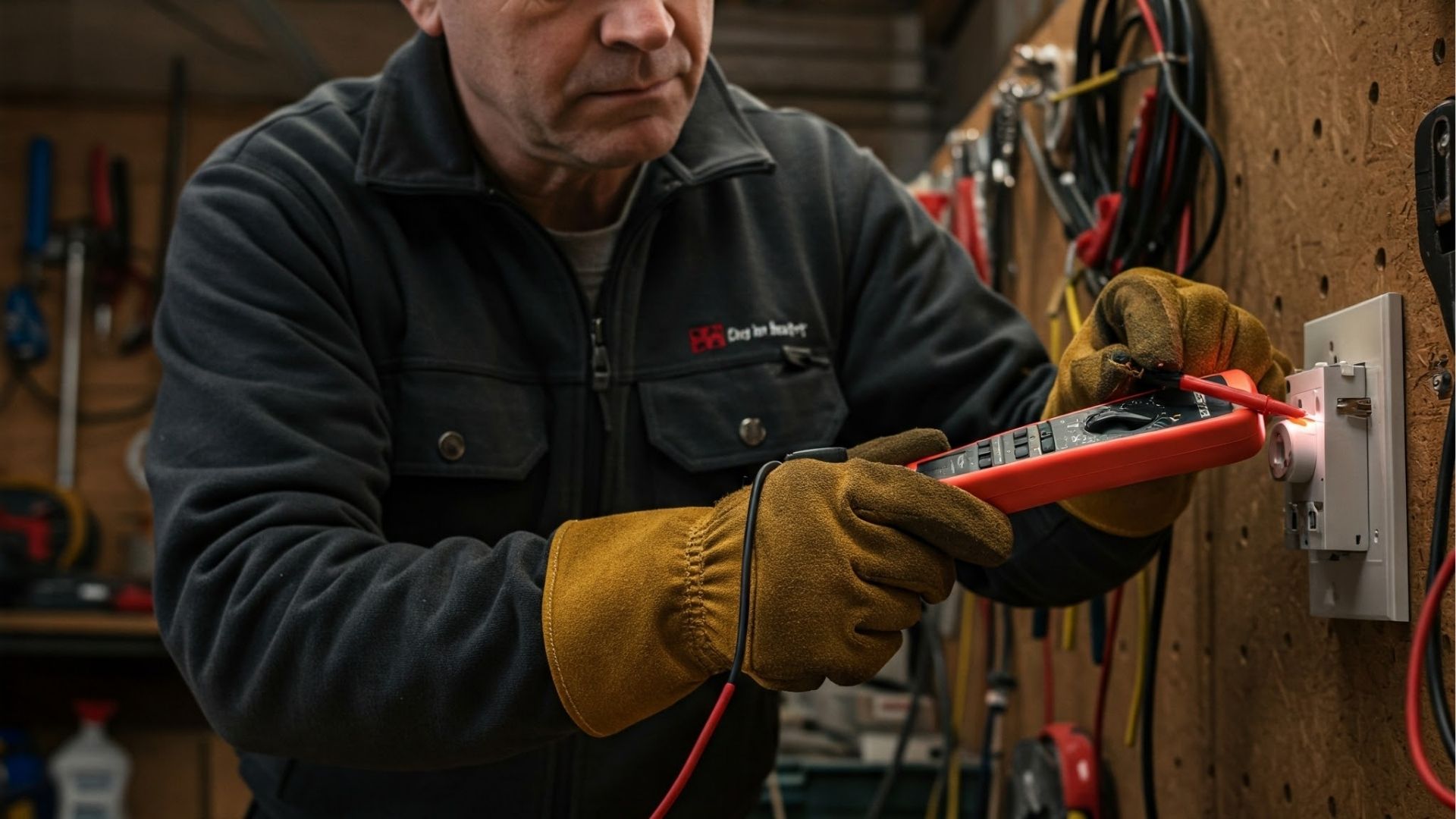
Every homeowner should understand the basics of their electrical system, and a home circuit tester is one of the most valuable tools for maintaining safety. These simple yet effective devices can help identify potential electrical hazards before they become serious problems. This comprehensive guide will explain everything you need to know about using a voltage tester, from basic operation to interpreting results and when to call a professional.
Understanding How a Home Circuit Tester Works
A voltage tester is designed to provide quick verification of your electrical outlets’ basic functionality. These compact devices typically feature a series of lights that indicate whether an outlet is wired correctly or if potential hazards exist. When plugged into a standard outlet, the pattern of illuminated lights tells you whether the hot, neutral, and ground wires are properly connected.
While a home circuit tester can identify many common wiring issues, it’s important to understand its limitations. These testers can detect reversed polarity, open grounds, and other basic problems, but they won’t measure voltage levels or identify more complex electrical faults. For comprehensive electrical assessments, consider consulting an Electrician Sydney NSW professional who can perform detailed testing.
Common Electrical Problems a Voltage Tester Can Detect
One of the primary benefits of owning a home circuit tester is its ability to identify several potentially dangerous wiring conditions. The most common issues these testers reveal include reversed hot and neutral wires, which can create shock hazards even when devices appear to work normally. They can also detect open ground connections that eliminate important safety protections.
Another valuable function of a voltage tester is identifying the absence of a ground connection entirely. Ungrounded outlets pose significant safety risks, particularly for sensitive electronics. If your tester indicates grounding problems, our guide on Wiring In electrical installations can help you understand the necessary repairs.
It’s worth noting that while a home circuit tester is excellent for basic outlet testing, more complex electrical systems like those found in commercial buildings often require professional assessment. For businesses experiencing electrical issues, Commercial Electrician Services providers have specialized equipment that goes far beyond what consumer testers can accomplish.
When to Use a Home Circuit Tester
Regular testing of your home’s electrical outlets should be part of routine maintenance. It’s particularly important to test outlets after any electrical work has been performed in your home, even if it was done by a professional. You should also test outlets before plugging in expensive electronics or appliances, as wiring problems can damage sensitive equipment.
A voltage tester is especially valuable when moving into a new home or when purchasing older properties where the electrical system’s condition may be unknown. These simple tests can reveal whether previous homeowners made unsafe modifications to the electrical system. For more comprehensive electrical evaluations, particularly in industrial settings, Industrial Electrician Services professionals can perform complete system assessments.
Limitations of Home Circuit Testers
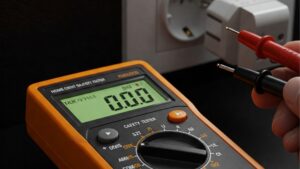
While extremely useful, it’s crucial to understand what a voltage tester cannot do. These devices won’t detect voltage fluctuations, measure current flow, or identify neutral-to-ground bonds that can create dangerous situations. They also can’t test GFCI (Ground Fault Circuit Interrupter) outlets properly – these require a different testing procedure.
For more complex electrical diagnostics, our resource on Diagnosing Electrical Problems provides additional information about when professional help is needed. Remember that while a circuit tester is a valuable tool for basic checks, it’s not a substitute for professional electrical inspections, especially in commercial environments with Structured Cabling systems and complex electrical infrastructure.
Choosing the Right Home Circuit Tester
When selecting a voltage tester, look for models that test for all the common wiring faults and feature clear, easy-to-read indicator lights. Some advanced models include additional features like GFCI test buttons or the ability to test for proper voltage. Regardless of which model you choose, always verify that it meets Australian safety standards.
For homeowners who want complete peace of mind about their electrical system’s safety, periodic professional inspections from Lightspeed Electricals can complement your own testing efforts. Professional electricians use sophisticated equipment that can identify issues beyond the capabilities of consumer-grade testers.
Safety Precautions When Using Electrical Testers
While a home circuit tester is designed to be safe for consumer use, basic electrical safety precautions still apply. Always inspect the tester for damage before use, and never use one with cracked casing or exposed wires. When testing outlets, be sure to hold the tester by its insulated body and avoid touching any metal parts during the testing process.
Remember that electrical work can be dangerous, and some problems identified by a home circuit tester may require professional correction. If you’re unsure about any test results or don’t feel comfortable addressing electrical issues yourself, it’s always best to contact a qualified electrician rather than risk personal injury or property damage.
Interpreting Test Results and Next Steps
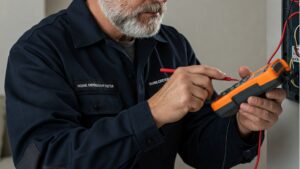
Learning to properly interpret your home circuit tester results is crucial for maintaining electrical safety. Most testers come with a chart that explains what different light patterns mean, ranging from “correct wiring” to various hazard conditions. If your tester indicates any problems beyond a simple open ground (which might just mean an ungrounded outlet in an older home), professional evaluation is recommended.
For homeowners facing persistent electrical issues or considering major electrical upgrades, understanding your home’s complete electrical system is important. While a voltage tester provides valuable snapshots of outlet conditions, comprehensive electrical safety requires a systematic approach that considers your entire electrical panel, wiring, and connected devices.
When to Call a Professional Electrician
While a home circuit tester is excellent for basic diagnostics, certain situations always warrant professional attention. These include any instances where you smell burning, see discolored outlets, experience frequent circuit breaker trips, or notice sparks when plugging in devices. These symptoms often indicate serious electrical problems that require immediate professional intervention.
For commercial property owners or those with complex electrical needs, regular professional inspections are even more critical. Businesses with specialized equipment or those operating in industrial environments should establish relationships with qualified electrical service providers to ensure their systems remain safe and compliant with all regulations.