When planning a network installation, one of the most fundamental decisions you’ll face is choosing between Cat5e and Cat6a cables. The difference between Cat5e and Cat6a goes far beyond just price points – it affects your network’s speed, bandwidth, and future-proofing capabilities. Whether you’re a homeowner looking to upgrade your entertainment system or a business owner needing reliable Commercial Electrician Services, understanding these differences is crucial for making an informed decision.
What Are Cat5e and Cat6a Cables?
Before we examine the difference between Cat5e and Cat6a, let’s define what these cables actually are. Both are types of twisted pair Ethernet cables used for network connections, but they serve different performance needs.
Cat5e (Category 5 enhanced) cables have been the industry standard for years, capable of supporting speeds up to 1 Gbps at 100 MHz bandwidth. When you notice the difference between Cat5e and Cat6a, you’ll find Cat6a (Category 6 augmented) represents a significant upgrade, supporting 10 Gbps speeds at 500 MHz bandwidth with improved crosstalk prevention.
Speed and Bandwidth: The Primary Difference Between Cat5e and Cat6a
The most noticeable difference between Cat5e and Cat6a appears in their performance specifications. While Cat5e handles 1 Gbps speeds adequately for most current residential needs, Cat6a doubles the frequency bandwidth and increases speed capability tenfold.
For businesses considering Industrial Electrician Services, this difference between Cat5e and Cat6a becomes particularly important. Data-intensive operations, high-definition video streaming, and large file transfers benefit dramatically from Cat6a’s superior capabilities. The difference between Cat5e and Cat6a in terms of future-proofing is substantial, as network demands continue growing exponentially.
Physical Differences in Cable Construction
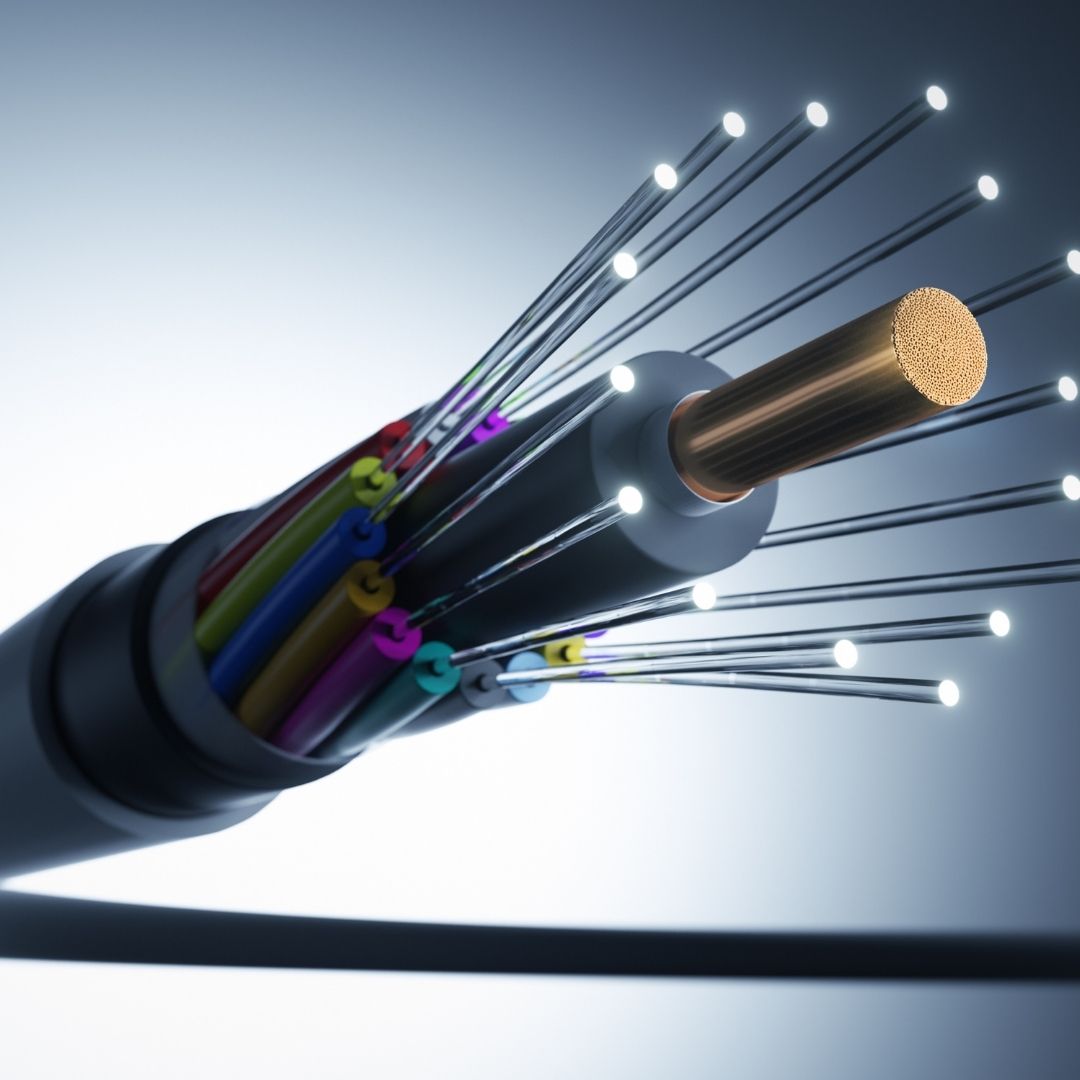
Another key difference between Cat5e and Cat6a lies in their physical construction. Cat6a cables feature:
- Thicker copper conductors (typically 23 AWG vs Cat5e’s 24 AWG)
- More stringent twisting of wire pairs
- Additional shielding in many cases
- Larger overall diameter
These physical differences contribute to the performance difference between Cat5e and Cat6a, particularly in reducing crosstalk and maintaining signal integrity over longer distances. For professional Cable Installation, these construction variations affect how cables should be handled and terminated.
Distance Limitations: A Critical Difference Between Cat5e and Cat6a
Network installers and Electrician Level 2 Sydney professionals understand that the difference between Cat5e and Cat6a becomes particularly apparent when examining maximum effective lengths:
- Cat5e maintains 1 Gbps speeds up to 100 meters
- Cat6a maintains 10 Gbps speeds up to 100 meters (compared to regular Cat6’s 55-meter limitation)
This difference between Cat5e and Cat6a makes the latter far superior for large office spaces, industrial settings, and multi-story buildings where longer cable runs are necessary.

Crosstalk and Interference Protection
One often overlooked but important difference between Cat5e and Cat6a involves their resistance to crosstalk and external interference. Cat6a cables feature:
- Superior alien crosstalk (AXT) prevention
- Better shielding options (especially in shielded Cat6a versions)
- Improved signal-to-noise ratio
For environments with many cables running in parallel (like server rooms or office ceilings), this difference between Cat5e and Cat6a can mean the difference between a stable network and one plagued by intermittent issues. Professionals using a Home Circuit Tester can verify these performance characteristics during installation.
Installation Considerations: Practical Differences
The difference between Cat5e and Cat6a extends to installation requirements. Cat6a’s thicker construction and stricter performance standards demand:
- More careful handling to avoid kinks
- Proper bending radius maintenance
- Higher quality termination techniques
- Potential need for different connectors
These installation differences between Cat5e and Cat6a mean that while DIYers might handle Cat5e installations, Cat6a often benefits from professional installation by experts like those at Lightspeed Electricals.
Cost Comparison: Is the Difference Between Cat5e and Cat6a Worth It?
When examining the difference with Cat5e and Cat6a from a financial perspective:
- Cat5e remains the more affordable option per foot/meter
- Cat6a costs approximately 30-50% more than Cat5e
- Installation labor may be slightly higher for Cat6a
However, the performance difference between Cat5e and Cat6a often justifies the additional cost for business applications or future-focused residential installations. An Electrical Test House can help evaluate whether your specific needs warrant the upgrade.
Future-Proofing: The Long-Term Difference Between Cat5e and Cat6a
Perhaps the most significant difference with Cat5e and Cat6a is their ability to handle future network demands:
- Cat5e meets current residential needs but may become obsolete sooner
- Cat6a supports emerging technologies like 10GBASE-T
- Cat6a provides headroom for increasing bandwidth requirements
For businesses investing in Commercial Electrician Services, this future-proofing difference between Cat5e and Cat6a often makes Cat6a the smarter long-term investment despite higher upfront costs.

Making the Right Choice for Your Needs
Understanding the difference with Cat5e and Cat6a allows you to make an informed decision based on:
- Current and anticipated network demands
- Budget constraints
- Installation environment
- Expected lifespan of the cabling system
Whether you’re a homeowner or business owner, consulting with network professionals like Lightspeed Electricals can help you properly evaluate the difference between Cat5e and Cat6a for your specific situation.
Conclusion: The Smart Way to Evaluate Cat5e vs Cat6a
The difference between Cat5e and Cat6a cables ultimately comes down to balancing current needs with future requirements. While Cat5e suffices for many residential applications today, Cat6a provides the bandwidth and speed capabilities that growing networks will demand tomorrow. For mission-critical business applications, industrial settings, or future-focused home networks, the performance difference with Cat5e and Cat6a makes the latter worth serious consideration.
When planning your next network installation or upgrade, keep these key differences between Cat5e and Cat6a in mind, and consult with qualified professionals to ensure optimal performance for your specific needs. The right cabling choice today can prevent expensive upgrades and network limitations in the future.