Quick Answer
A licensed commercial electrician in Sydney designs, installs, and maintains the electrical infrastructure businesses depend on — including power distribution, LED lighting, data cabling, switchboard upgrades, three-phase power, machinery wiring, and emergency lighting compliance (AS/NZS 2293). The scope differs significantly between offices, retail stores, and warehouses. All commercial electrical work in NSW requires an Electrical Contractor Licence (ECL) and a Certificate of Compliance (CCEW) — using an unlicensed or residential electrician for commercial work is illegal and voids your insurance.
Most business owners think of an electrician as someone you call when something breaks. That’s a costly misconception. A licensed commercial electrician is a strategic trade partner — someone who designs, installs, upgrades, and maintains the electrical infrastructure your entire operation depends on. The right commercial electrician doesn’t just fix problems. They prevent them, future-proof your facility, and keep you on the right side of NSW compliance law.
| 17% | $3,220 | 3× | 75% |
| of total commercial fitout cost is electrical and mechanical works
Source: JLL Australia, 2025 |
average cost per m² for a moderate Sydney office fitout Source: JLL Australia, 2025 |
power capacity of three-phase vs single-phase on the same circuit rating Source: DLG Electrical, Australian power standards |
less energy used by LED lighting vs traditional incandescent fittings
Source: AI Electrical & Data / DELWP |
What Is a Commercial Electrician and Why Does the Distinction Matter?
A commercial electrician is a licensed electrical contractor qualified to design, install, and maintain electrical systems in non-residential buildings — including offices, retail premises, warehouses, industrial facilities, and mixed-use commercial spaces. In NSW, this work requires an Electrical Contractor Licence (ECL) from NSW Fair Trading.
Commercial electrical systems operate at higher voltages (415V three-phase vs 240V single-phase for residential), support higher load demands, serve multiple concurrent users and equipment types, and are subject to a broader compliance framework — including AS/NZS 3000:2018 Wiring Rules, the Building Code of Australia (BCA), AS/NZS 1680 workplace lighting standards, and AS/NZS 2293 emergency lighting requirements.
Using a residential electrician for commercial work in NSW is not just inadvisable — it’s illegal, voids your insurance, and creates personal liability for the building owner or occupant.
| System Type | Residential | Commercial / Industrial |
|---|---|---|
| Supply voltage | 240V single-phase | 415V three-phase |
| Typical load | 60–100A per dwelling | 100A–1,000A+ depending on facility |
| Compliance standard | AS/NZS 3000:2018 | AS/NZS 3000:2018 + BCA + AS/NZS 3012 + AS/NZS 1680 + AS/NZS 2293 |
| Emergency lighting | Not required | Mandatory — AS/NZS 2293, annual testing |
| Certification | CCEW | CCEW — from 1 July 2026 online via Building Commission NSW eCert portal |
| Licensing | Qualified Electrician Licence | Electrical Contractor Licence (ECL) |
💡 From 1 July 2026, all NSW Certificates of Compliance for Electrical Work (CCEWs) must be submitted through the Building Commission NSW eCert portal. Confirm your commercial electrician is lodging these correctly — non-compliant documentation is your liability, not just theirs. (Source: Building Commission NSW, 2025)
Commercial Electrical Services by Business Type
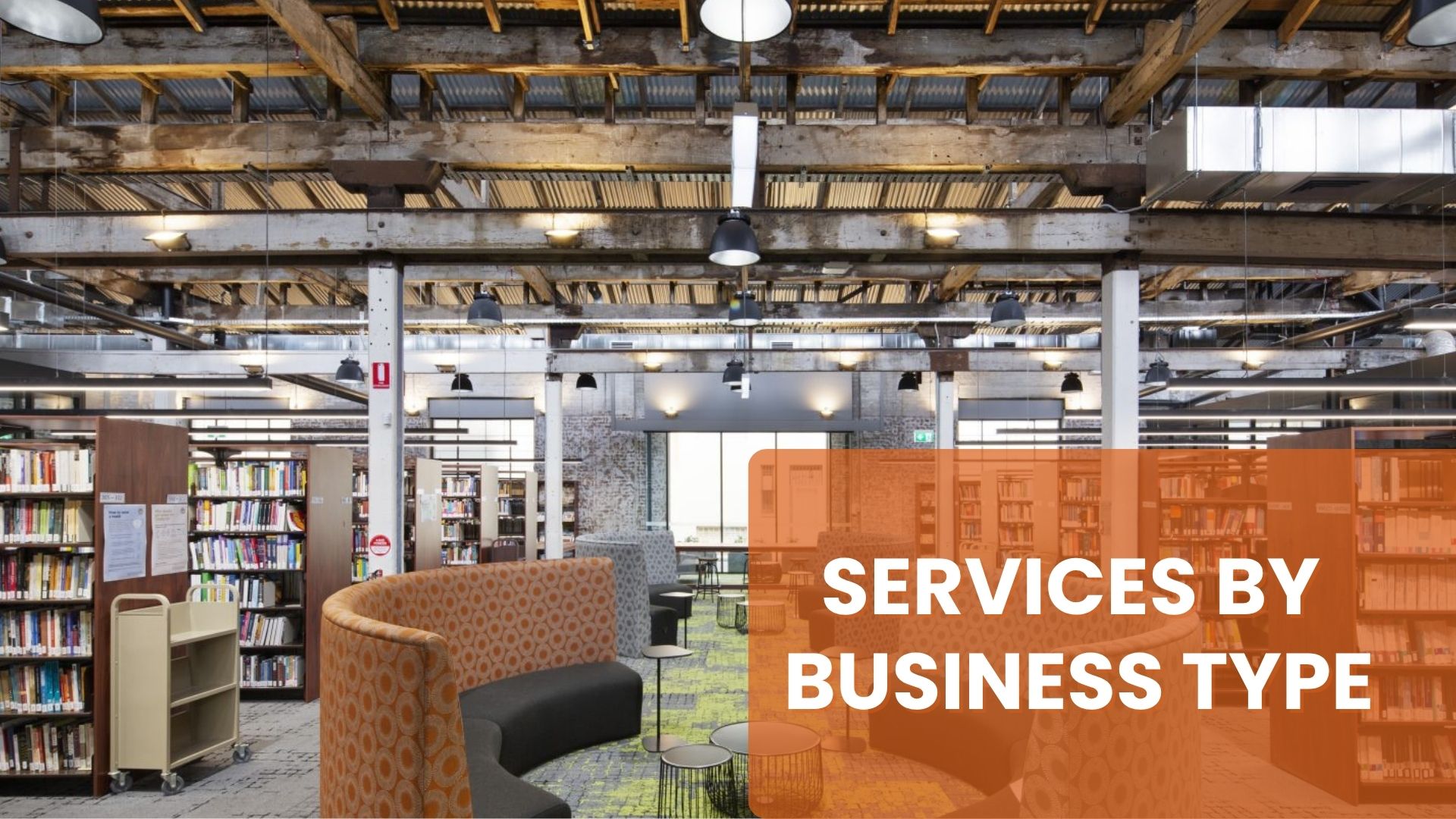
Every business environment has different electrical demands, compliance obligations, and infrastructure requirements. Here is exactly what a licensed commercial electrician can do for each of the three most common commercial environments in Sydney.
🏢 Part 1 — What a Commercial Electrician Can Do for Your Office
Quick Answer — Offices
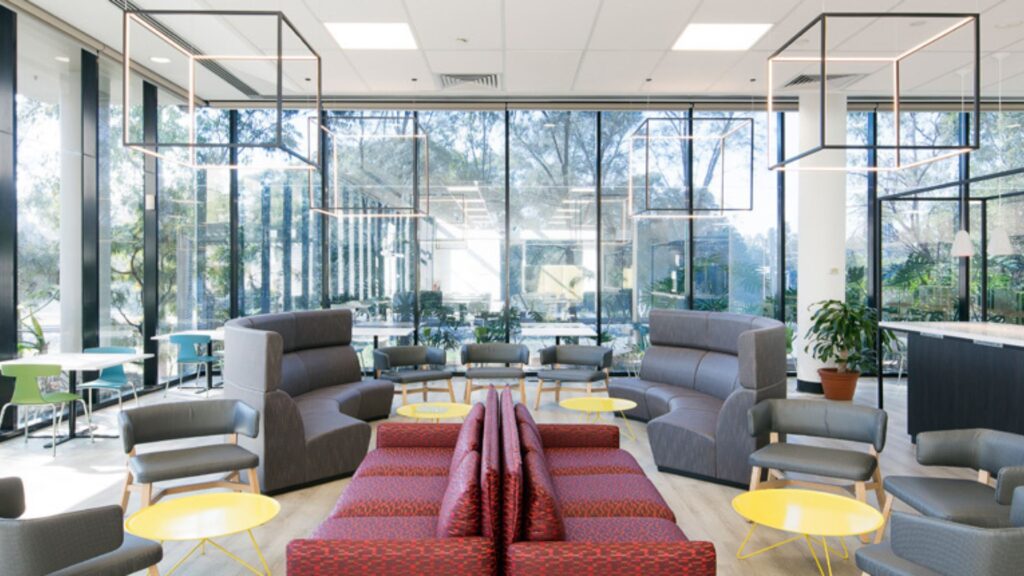
A commercial electrician designs and installs everything that powers a modern Sydney office: workstation power, server infrastructure, data cabling, LED lighting, switchboard upgrades, emergency systems, and AV integration — all delivered to AS/NZS 3000:2018 and BCA standards with minimal disruption to your team.
Power Distribution and Workstation Planning
A properly designed office electrical system starts with load planning — calculating the total power demand of every workstation, server, HVAC unit, kitchen, and meeting room, then designing a circuit layout that distributes that load safely and efficiently.
Most Sydney offices that pre-date 2015 were not designed for the power demands of a modern hybrid workplace. Today’s office runs more devices per desk, more server load, and more AV equipment than it did ten years ago. Retrofitting that demand onto an undersized electrical infrastructure causes circuit overloads, frequent breaker trips, and equipment performance issues.
- Load assessment before design begins — nothing is guessed
- Dedicated circuits for high-draw equipment (servers, commercial printers, kitchen appliances)
- Additional GPOs at workstations, meeting rooms, and shared spaces
- Switchboard upgrade including RCDs and RCBOs as required under AS/NZS 3000:2018
- Surge protection for sensitive server and AV equipment
Data and Communications Cabling
For modern Sydney offices, structured cabling is as critical as power distribution. A slow or poorly designed network creates operational drag that compounds daily across every connected employee. A licensed commercial electrician installs:
- Cat6 or Cat6A structured cabling to workstations, meeting rooms, server rooms, and access points
- Patch panels and data racks for organised, scalable network infrastructure
- Fibre optic backbone cabling for high-speed inter-floor or inter-building links
- NBN-ready cable pathways
- AV cabling for presentation systems, video conferencing, and digital signage
Office Lighting — Compliance, Productivity, and Energy Efficiency
Workplace lighting in NSW commercial offices must meet AS/NZS 1680.2.2 — the Australian Standard for interior lighting of offices and screen-based tasks. This sets minimum lux levels and is not optional. An experienced commercial electrician delivers:
- LED panel lighting calibrated to AS/NZS 1680.2.2 lux requirements
- Dimmable circuits for meeting rooms and collaborative spaces
- Sensor-controlled lighting for low-traffic zones (corridors, bathrooms, storage)
- Feature and architectural lighting for reception and client-facing areas
- Emergency and exit lighting to AS/NZS 2293 (mandatory for all commercial premises)
💡 LED lighting systems use up to 75% less energy than traditional incandescent fittings. For a typical 500 sqm Sydney office, an LED upgrade can reduce lighting energy costs by $3,000–$8,000 per year. (Source: AI Electrical & Data / DELWP research; industry estimates)
🏆 Lightspeed Project — McDonald Jones Homes HQ
Lightspeed Electrical completed a full electrical fitout of McDonald Jones Homes’ flagship Sydney headquarters — including new circuit installation, LED office lighting, data and communications cabling, AV integration, switchboard upgrades, and emergency lighting. Delivered on schedule within a live corporate environment.
🏪 Part 2 — What a Commercial Electrician Can Do for Your Retail Store
Quick Answer — Retail Stores
A commercial electrician enables a retail store to operate safely, look visually compelling, and run efficiently — from track lighting and display power to POS circuit design, refrigeration supply, signage power, and emergency lighting compliance.
Retail Electrical Fitout — From Strip-Out to Sign-Off
Retail electrical fitouts are among the most technically varied commercial electrical projects. Every retail environment has different power demands, aesthetic requirements, and compliance obligations depending on the type of goods sold, the building class, and the tenancy agreement.
A licensed commercial electrician handles the full scope:
- Strip-out of existing electrical infrastructure where tenancies change
- New sub-board installation for the tenancy
- Power point placement for POS systems, displays, refrigeration, and staff areas
- Track lighting, LED downlights, display lighting, and feature lighting design and installation
- Signage power supply — external illuminated signage requires dedicated, weatherproofed circuits
- Emergency and exit lighting to AS/NZS 2293
- CCEW issued and lodged with Building Commission NSW
Retail Lighting — Why It’s a Commercial Electrical Priority
Retail lighting directly influences customer behaviour, dwell time, and purchase decisions. Getting it wrong is a commercial loss, not just an aesthetic one. Track lighting and adjustable display systems require dedicated circuits rated for continuous use — not general purpose outlets.
| Retail Electrical Requirement | Why It Matters | Standard |
|---|---|---|
| Dedicated POS/EFTPOS circuits | Prevents transactional failure from circuit overload | AS/NZS 3000:2018 |
| Display refrigeration power | Refrigeration requires stable, dedicated supply | AS/NZS 3000:2018 + manufacturer specs |
| Track and display lighting circuits | Continuous-load rated, not general purpose | AS/NZS 3000:2018 |
| External signage supply | Separate circuit, weatherproofed, fused | AS/NZS 3000:2018 + council requirements |
| Emergency and exit lighting | Mandatory for all retail premises | AS/NZS 2293 |
| RCD protection on all circuits | Mandatory under current Wiring Rules | AS/NZS 3000:2018 |
💡 If you’re taking on a new retail tenancy in Sydney, your lease will almost always require you to return the space to base-build condition on exit. Make sure your electrician provides as-built drawings and documentation for all installations — it protects you at lease end and speeds future fitouts.
🏆 Lightspeed Project — Eternal Bridal
Lightspeed Electrical completed the full electrical fitout for Eternal Bridal — an architectural and feature lighting installation transforming the retail environment while meeting all AS/NZS 3000:2018 requirements. Scope included custom pendant lighting, display lighting circuits, emergency lighting, and data cabling for POS and communications.
🏭 Part 3 — What a Commercial Electrician Can Do for Your Warehouse or Industrial Facility
Quick Answer — Warehouses & Industrial Facilities
A commercial electrician with industrial experience installs and maintains the high-load three-phase power systems, machinery wiring, LED high-bay lighting, emergency systems, and compliance infrastructure that keep Sydney warehouses and industrial facilities running safely and legally.
Three-Phase Power — The Industrial Standard
Three-phase power (415V) is the electrical standard for warehouses, factories, and industrial facilities across Australia. A standard 32-amp single-phase circuit delivers approximately 7.36kW. The same circuit in three-phase configuration delivers up to 22kW — nearly triple the capacity. (Source: DLG Electrical, Australian power standards, 2025)
Warehouses and industrial facilities require three-phase power for:
- Heavy machinery, compressors, and CNC equipment
- Commercial refrigeration and cool rooms
- Commercial HVAC systems rated above 10kW
- High-capacity EV charging stations for logistics fleets
- Large-scale LED high-bay lighting systems
⚠️Upgrading from single-phase to three-phase supply in NSW requires a Level 2 Accredited Service Provider (ASP) — authorised to work directly with Ausgrid and Endeavour Energy networks. Standard contractors cannot legally do this work. Lightspeed Electrical holds this accreditation.
Warehouse LED High-Bay Lighting
Warehouse lighting is a safety and productivity issue before it’s an energy issue. AS/NZS 1680.2.4 sets minimum lux levels for industrial tasks and processes within buildings. Under-lit warehouses increase forklift and pedestrian accident risk, reduce pick accuracy, and create WHS compliance gaps. LED high-bay upgrades deliver:
- Lux levels compliant with AS/NZS 1680.2.4 for specific work zones
- Significant energy reduction vs metal halide or fluorescent high-bay systems
- 50,000+ hour service life vs 10,000–15,000 hours for older technology
- Motion sensor integration for dock areas and non-continuous occupancy zones
- Reduced HVAC load — LEDs generate significantly less heat than HID alternatives
💡 A Sydney commercial electrical contractor delivered a 6-outlet retail chain LED lighting upgrade that reduced power costs by 40% across all sites. Industrial LED high-bay conversions from metal halide equivalents deliver comparable or greater savings. (Source: Project Electrical Group, Sydney, 2025)
Industrial Machinery Wiring and Motor Control
Connecting industrial machinery is not plug-and-play. Each machine has specific power requirements — voltage, phase, current draw, and starting characteristics — that must be assessed and matched to appropriately designed circuits and protective devices. A commercial/industrial electrician handles:
- Three-phase motor circuit design and installation
- Variable frequency drive (VFD) installation for motors requiring speed control
- Motor control centres (MCCs) — distribution boards dedicated to machinery control
- PLC (Programmable Logic Controller) wiring and interface installation
- Isolation points, lockout/tagout provisions, and emergency stop circuits — mandatory under AS/NZS 4024 machine safety standards
🚩 Machinery connected to incorrectly sized circuits, without adequate isolation or emergency stop provisions, is a WHS violation and a personal liability for the business owner. If your facility has equipment connected by someone other than a licensed industrial electrician, get it audited immediately.
Warehouse Emergency Lighting and Exit Compliance
Warehouses have specific emergency lighting requirements under AS/NZS 2293. High bays, wide floor spans, racking systems, and multiple exit routes all affect placement and lux requirements. Key obligations:
- All exit routes — including racking aisles — must be illuminated during power failure
- Loading dock exits and mezzanine stair exits require dedicated emergency fittings
- Six-monthly inspections and annual full-duration tests — mandatory
- Records must be kept on-site and produced during WHS inspections
🏆 Lightspeed Project — Australia Post, Strathfield Head Mailing Centre
Lightspeed Electrical delivered a full electrical fitout of Australia Post’s 24/7 operational mail sorting facility in Strathfield. Scope: complete strip-out and redesign, switchboard upgrades, high-load circuit installation, data and communications cabling, monitored emergency lighting, LED lighting, and AV systems. Delivered within an 8-week deadline with zero operational disruption.
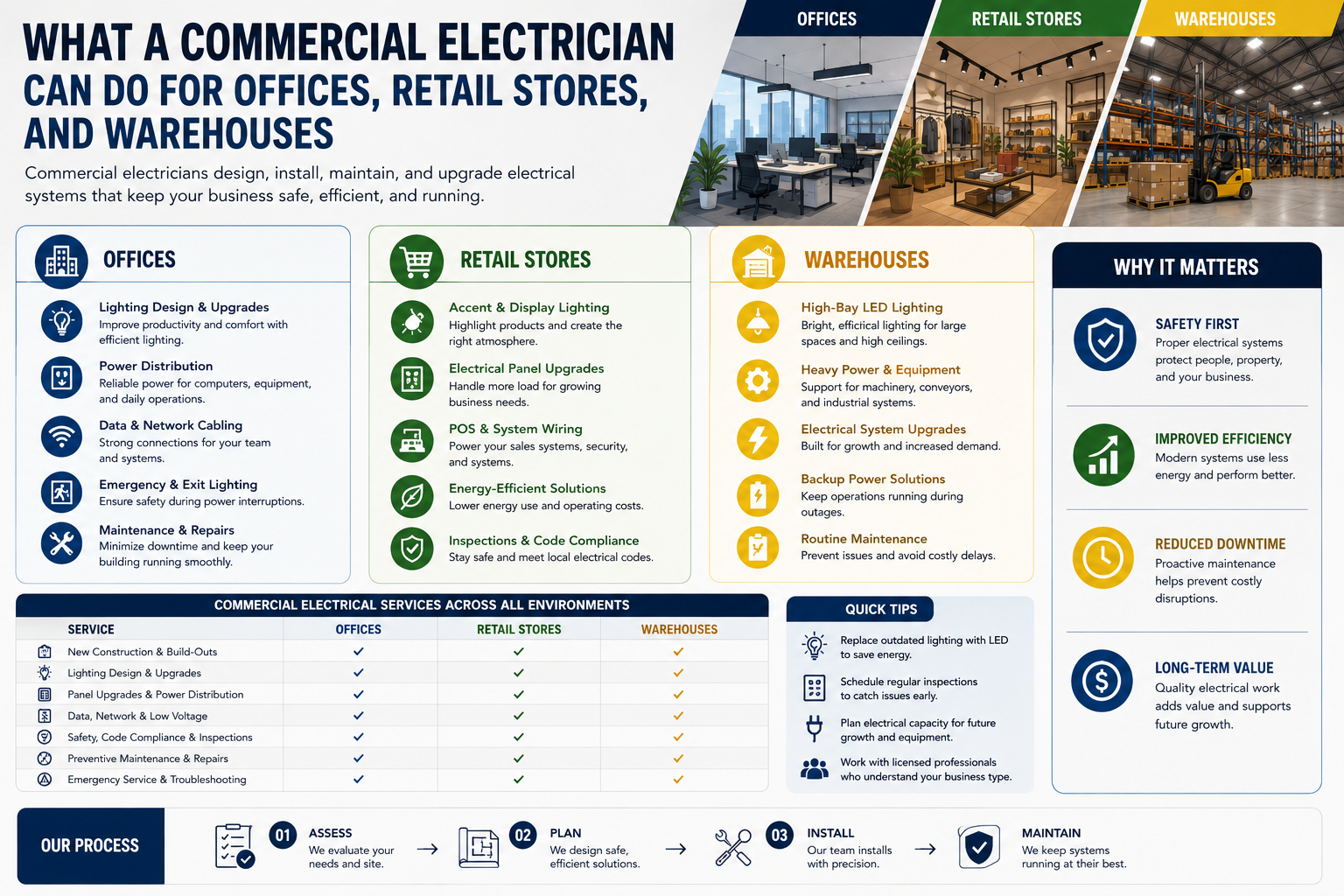
The Full Scope — What a Commercial Electrician Can Do Across All Three Environments
| Service | Office | Retail | Warehouse / Industrial |
|---|---|---|---|
| Power distribution and circuit design | ✓ | ✓ | ✓ |
| Switchboard audit and upgrade | ✓ | ✓ | ✓ |
| RCD / RCBO installation (AS/NZS 3000:2018) | ✓ | ✓ | ✓ |
| Data and communications cabling | ✓ | ✓ | ✓ |
| LED lighting design and installation | ✓ | ✓ | ✓ (High-bay) |
| Emergency and exit lighting (AS/NZS 2293) | ✓ | ✓ | ✓ |
| Three-phase power supply and upgrade | Rarely | Sometimes | Always |
| Industrial machinery wiring | ✗ | ✗ | ✓ |
| Motor control and VFD installation | ✗ | Rarely | ✓ |
| PLC / automation wiring | ✗ | ✗ | ✓ |
| AV and presentation systems | ✓ | ✓ | ✗ |
| Architectural and feature lighting | ✓ | ✓ | ✗ |
| Maintenance contracts | ✓ | ✓ | ✓ |
| CCEW compliance certification | ✓ | ✓ | ✓ |
| Level 2 ASP network work | If required | If required | Commonly required |
Why Choose Lightspeed Electrical for Your Sydney Commercial Project
Lightspeed Electrical was founded in 2013 by Alex Schepis — a second-generation electrician with over 20 years of commercial and industrial electrical experience. Lightspeed has delivered electrical projects across offices, retail environments, industrial facilities, and educational institutions across Sydney.
Why Sydney Businesses Choose Lightspeed
- 13+ years commercial and industrial experience (established 2013)
- NSW Fair Trading licensed — verifiable at service.nsw.gov.au
- Dedicated project management for complex and live-environment projects
- Full compliance documentation — CCEWs lodged correctly and on time
- Proven track record: Australia Post, University of Notre Dame, McDonald Jones Homes, Eternal Bridal, Little Zak’s Childcare
- Free, itemised, written quotes — no surprises
Ready to Talk About Your Project?
Whether you’re planning an office fitout, retail tenancy, or warehouse upgrade — Lightspeed Electrical provides free, itemised quotes for all commercial and industrial electrical projects across Sydney.
Frequently Asked Questions
What is the difference between a commercial electrician and an industrial electrician in Sydney?
A commercial electrician specialises in offices, retail, hospitality, and general commercial premises. An industrial electrician works on high-load three-phase systems, factory machinery, motor controls, PLCs, and industrial equipment. Many commercial electricians — including Lightspeed Electrical — are experienced in both, allowing them to service warehouses, logistics facilities, and mixed commercial-industrial environments from a single contractor.
Do I need a separate electrician for data cabling in my Sydney office fitout?
Not necessarily. Many licensed commercial electricians — including Lightspeed Electrical — also install structured data cabling (Cat6, Cat6A, fibre), patch panels, and server room infrastructure. Using a single contractor for power and data simplifies project management, reduces coordination risk, and ensures the electrical and data systems are designed to work together.
What electrical work does a retail fitout in Sydney typically require?
A standard retail fitout includes: sub-board installation for the tenancy, power point placement for POS and displays, track and display lighting circuits, external signage power supply, refrigeration circuits (if applicable), emergency and exit lighting to AS/NZS 2293, and a CCEW issued by the licensed contractor. The scope varies with the size of the tenancy and the specific requirements of the retail concept.
What is a CCEW and does my business need one?
A CCEW (Certificate of Compliance for Electrical Work) is the document a licensed electrician must issue and lodge after completing notifiable electrical work in NSW. It confirms the work has been tested and complies with AS/NZS 3000:2018. From 1 July 2026, all CCEWs must be submitted through the Building Commission NSW eCert portal. As a building owner or occupant, you should request a copy of the CCEW for every electrical job performed on your premises. (Source: Building Commission NSW, 2025)
Does my Sydney warehouse need three-phase power?
Most warehouses with machinery, commercial refrigeration, large HVAC systems, or EV charging infrastructure require three-phase power (415V). A licensed electrician can assess your current supply and confirm whether an upgrade is needed. Upgrading from single-phase to three-phase supply in NSW requires a Level 2 Accredited Service Provider (ASP) — Lightspeed Electrical holds this accreditation.
How long does a commercial electrical fitout take in Sydney?
A small-to-medium office or retail fitout (under 500 sqm) typically takes 2–4 weeks. Larger or more complex fitouts — including industrial facilities, multi-zone environments, or three-phase upgrades — may take 6–12 weeks. Lightspeed Electrical delivered Australia Post’s Strathfield mailing centre fitout within 8 weeks, with zero disruption to 24/7 operations. Timeline depends on scope, site access, and coordination with other trades.
What Australian standards apply to commercial workplace lighting?
Workplace lighting in commercial premises must comply with the AS/NZS 1680 series — the Australian Standard for interior and workplace lighting. AS/NZS 1680.2.2 applies to offices and screen-based tasks; AS/NZS 1680.2.4 applies to industrial tasks and processes. SafeWork NSW confirms that inspection, testing, and maintenance of lighting systems must be carried out by a licensed electrician. (Source: SafeWork NSW)
Can Lightspeed Electrical work on live commercial premises without disrupting operations?
Yes. Lightspeed Electrical specialises in staged, live-environment commercial and industrial electrical work. Their Australia Post Strathfield engagement — a full strip-out and reinstallation inside an operational 24/7 mail sorting centre — is the clearest example. All projects are delivered with a dedicated project manager, staged works scheduling, and coordination with other trades to minimise operational disruption.
References & Sources
- Cushman & Wakefield. 2025 Australian City Fit-Out Cost Benchmarks. cushmanwakefield.com, 2025.
- JLL Australia. Australian Office Fitout Cost Guide 2025. au.jll.com, 2025.
- Building Commission NSW. CCEW — eCert Portal Transition. nsw.gov.au, December 2025.
- NSW Government. Electrical Standards, Rules and Notes — AS/NZS 3000:2018. nsw.gov.au, 2026.
- SafeWork NSW. Lighting — Workplace Requirements and AS/NZS 1680 Series. safework.nsw.gov.au.
- Standards Australia. AS/NZS 2293 — Emergency Escape Lighting and Exit Signs.
- Standards Australia. AS/NZS 1680.2.2 — Interior Lighting: Offices and Screen-Based Tasks.
- Standards Australia. AS/NZS 1680.2.4 — Interior Lighting: Industrial Tasks and Processes.
- DLG Electrical. Three-Phase Power Installation Guide. dlgelectrical.com.au, 2025.
- Project Electrical Group. Commercial Electrician Sydney — LED Case Studies. projectelectricalgroup.com.au, 2025.
- AI Electrical & Data. Complete Guide to Office Electrical Fit-Outs. aielectricaldata.com.au, 2025.
- asestimation.com. Electrical Installation Cost Guide 2026. March 2026.