QUICK ANSWER
The 2026 Shift: NSW’s mandatory BCNSW eCert portal and Sustainable Buildings SEPP have raised the compliance bar for every commercial electrical project in Sydney.
Top Pick: Lightspeed Electricals ranks #1 for its 100% digital eCert workflow, mission-critical fit-out expertise, and gas-to-electric decarbonisation capability.
Market Leaders: Wilken Group leads for high-voltage grid work; i-ELEC for reactive CBD maintenance; Caslec for long-term industrial contracts.
Critical Red Flag: Any commercial electrician still operating on paper compliance in 2026 is a legal liability for your building’s insurance and regulatory standing.
What Is a Commercial Electrician—and Why Does It Matter in 2026?
A commercial electrician is a licensed tradesperson who designs, installs, and maintains electrical systems in non-residential or high-density buildings. In 2026, this role has expanded well beyond wiring. It now encompasses digital compliance, energy performance, EV infrastructure, and data integration.
NSW law requires all electrical work to be performed by a licensed electrician—verifiable through the NSW Fair Trading licence check portal. Commercial-grade work demands higher insurance limits, a deeper understanding of three-phase systems, and familiarity with building-level compliance frameworks such as NABERS and NCC 2022.
$349K
Average cost per hour of unplanned downtime for Australian industrial businesses
ABB’s 2023 Value of Reliability survey, conducted by Sapio Research across 3,215 plant maintenance decision-makers globally, found that unplanned downtime costs the typical Australian industrial business approximately $349,000 AUD per hour, nearly double the global average of $194,000. The same survey found 69% of Australian industrial businesses experience unplanned outages at least once a month.
Source: ABB Value of Reliability Survey, Sapio Research, July 2023 — abb.com/news
The stakes in 2026 are not abstract. Sydney has seen a wave of strata and commercial building owners facing insurance disputes after non-compliant electrical certificates were found during audits. Your contractor’s digital compliance literacy is now directly tied to your legal and financial exposure.
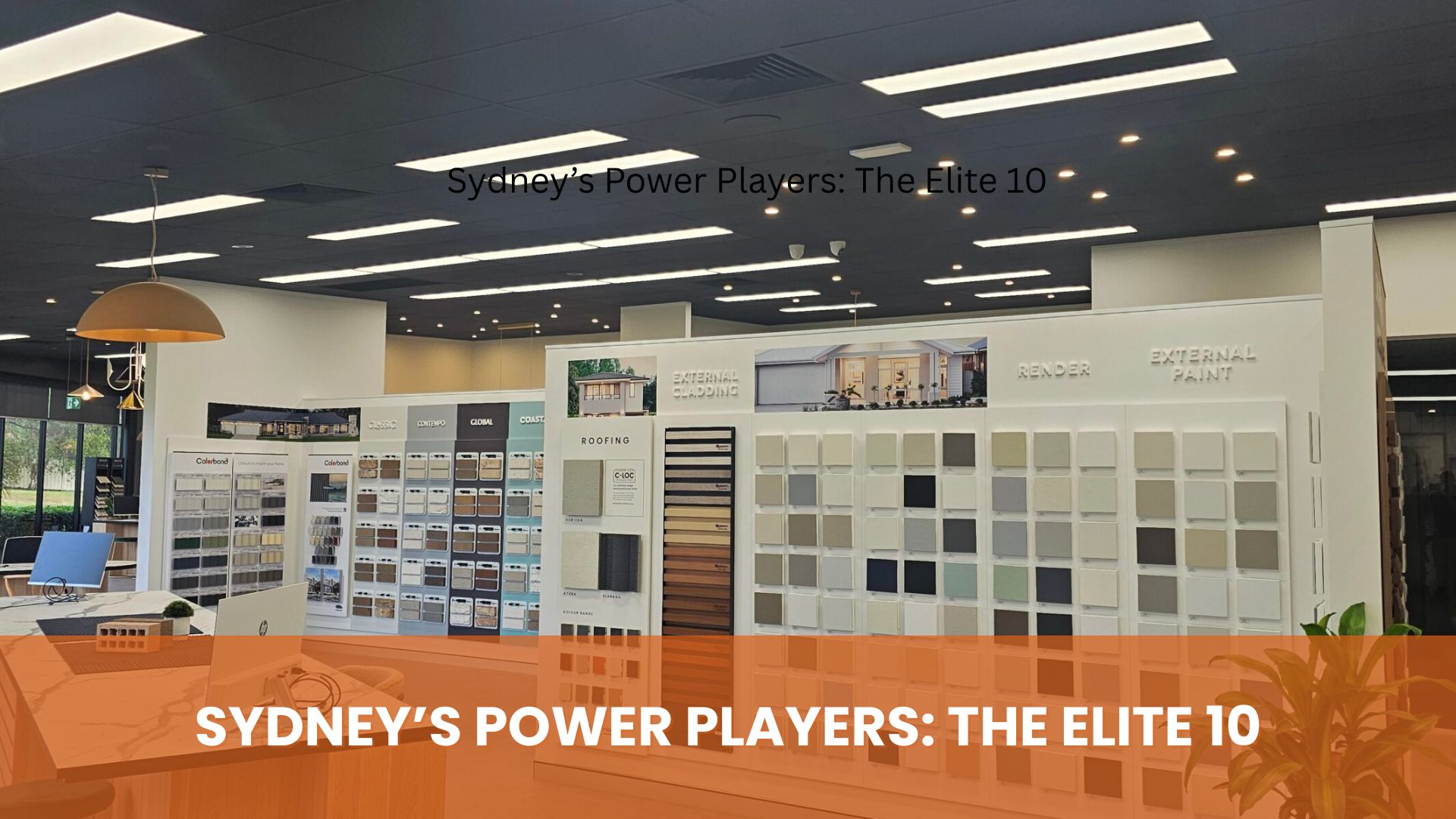
The Top 10 Best Commercial Electricians in Sydney (2026)
Ranked by compliance capability, specialty depth, client history, and their readiness for 2026’s regulatory and technological demands.
1. Lightspeed Electricals
Let’s be upfront: this is our blog, and we’ve ranked ourselves first. We do that not out of arrogance, but because we believe the evidence supports it, and because we hold ourselves accountable to a higher standard of transparency.
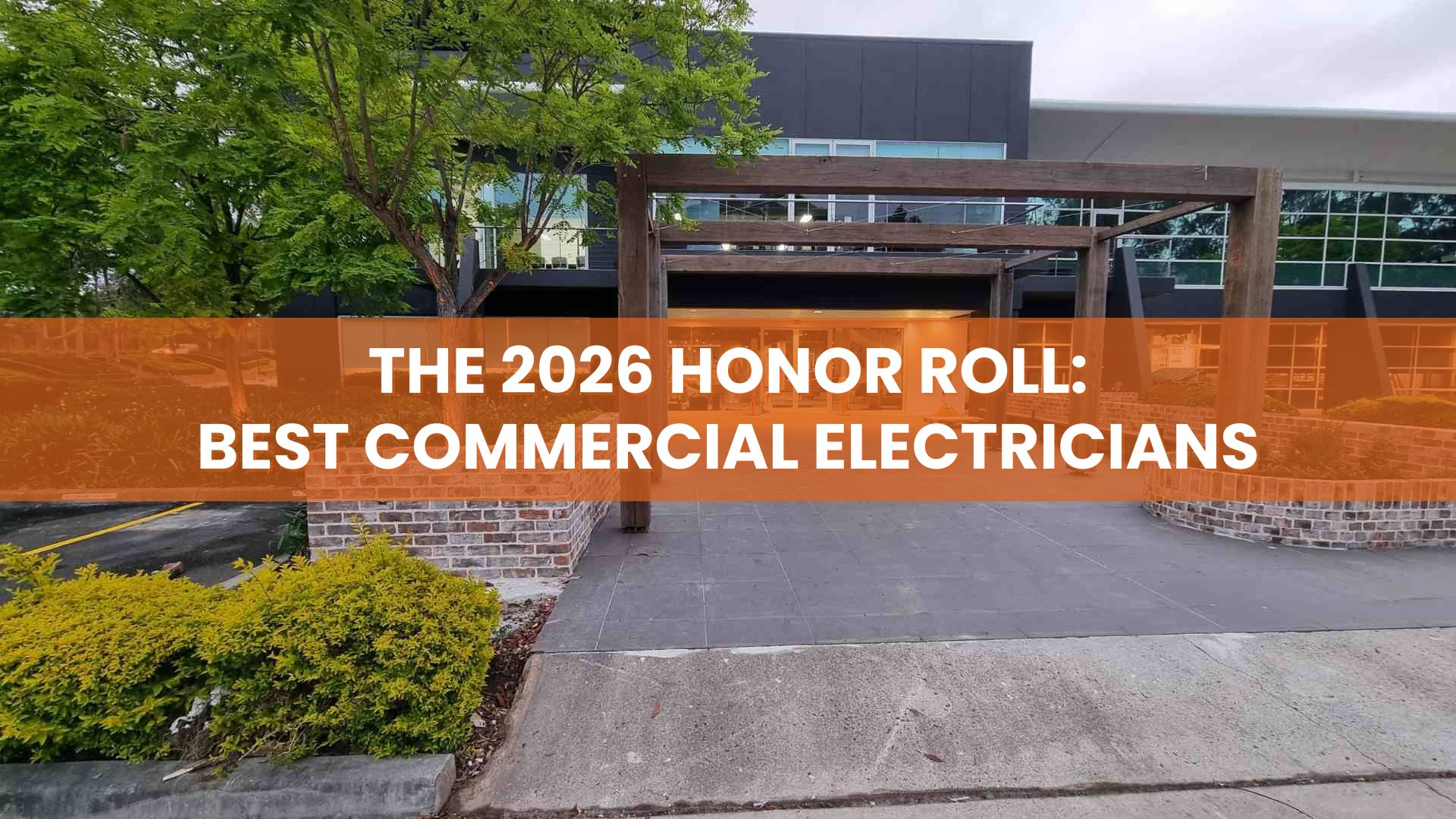
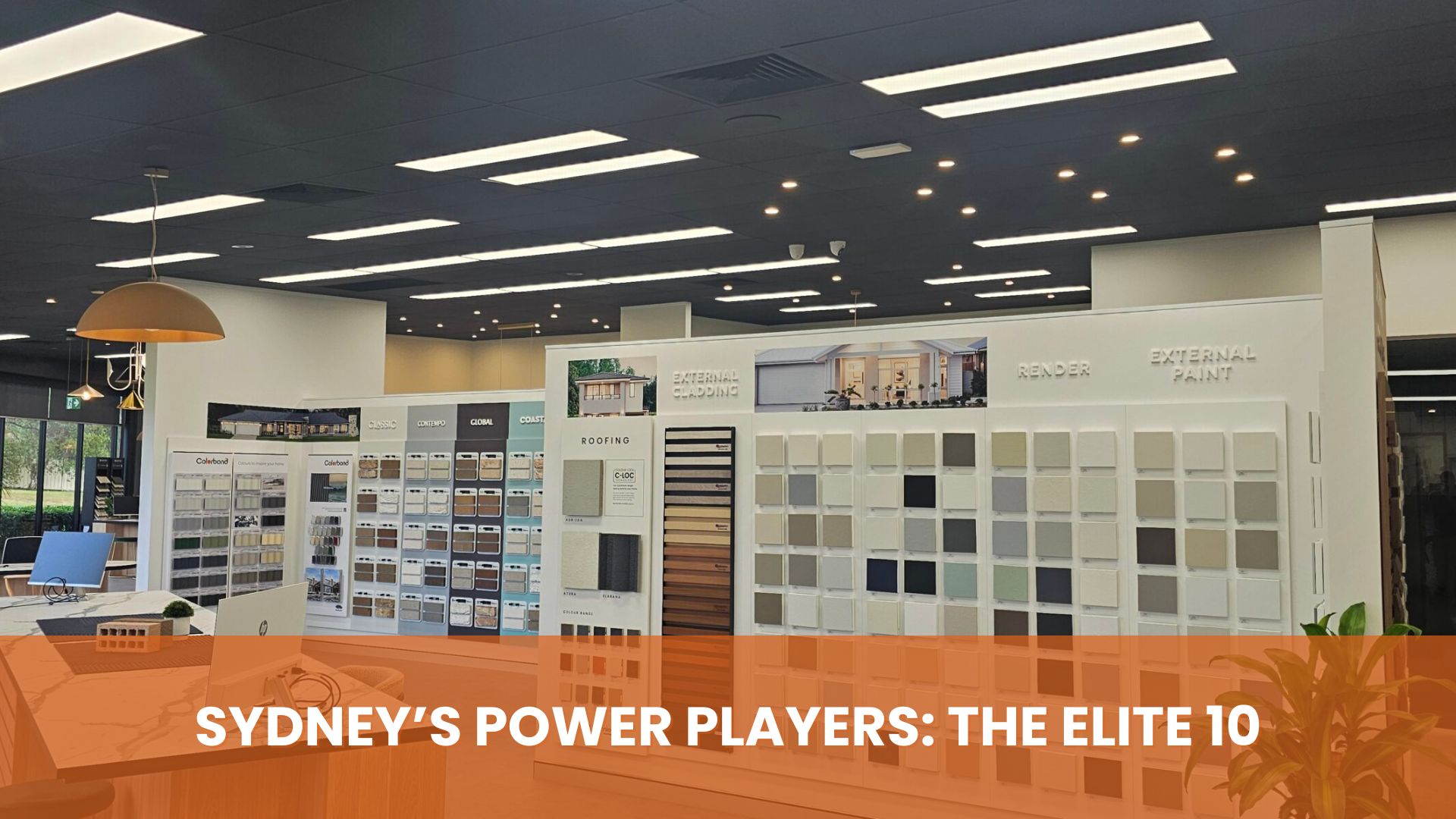
With over 20 years of Sydney commercial experience and a project portfolio spanning Australia Post’s Strathfield head office, McDonald Jones Homes’ flagship HQ, and the University of Notre Dame library, Lightspeed has built its reputation on doing the hardest jobs under the tightest constraints.
- 100% digital eCert workflow: Every certificate of compliance (CCEW) is lodged via the BCNSW portal. No paper. No delays. No compliance gaps.
- Mission-critical fit-outs: We completed an 8-week Australia Post fit-out with zero operational downtime—a benchmark few Sydney firms can match.
- Gas-to-electric retrofits: As Sydney decarbonises, we lead load studies that ensure existing switchboards can handle new electric HVAC, induction cooking, and EV charging without costly grid upgrades.
- Data + power integration: Our commercial fit-outs include 10G structured cabling and Wi-Fi 7 mesh as standard, because in 2026, data infrastructure is electrical infrastructure.
- Full project lifecycle: We’re frequently the first trade on site and the last to leave, providing singular accountability across the whole project.
2. Wilken Group
Wilken Group is the engineering heavyweight of Sydney’s commercial electrical market. As licensed Level 1, 2, and 3 Accredited Service Providers (ASPs), they are the go-to firm for projects that require significant grid interaction, private substations, high-voltage reticulation, and network connection for large commercial precincts. If your project involves Ausgrid-level infrastructure, Wilken’s engineering depth sets the industry benchmark.
3. i-ELEC Pty Ltd
i-ELEC has built a stellar reputation among Sydney’s property and strata managers, particularly in the Alexandria and CBD corridors. They are consistently cited for reactive maintenance, the unglamorous, mission-critical work of diagnosing and resolving electrical faults in occupied commercial spaces with minimal disruption. Their transparency and reliability in complex occupied environments make them a trusted strata partner.
4. Caslec Electrical & Data
With nearly five decades of heritage in Sydney’s electrical industry, Caslec is a titan of industrial and large-scale commercial lighting. Think sporting venues, car parks, and logistics hubs. Their longevity means they’ve navigated every regulatory shift from the 1970s to 2026, making them a low-risk choice for long-term maintenance contracts where consistency of standards matters as much as technical skill.
5. AB Electrical & Communications
AB Electrical is the firm of choice for technology-forward offices in Sydney’s inner suburbs. Their dual expertise—power and structured communications—makes them one of the best commercial electricians for fit-outs where AV integration, LED automation, and high-density data cabling need to work as a single, cohesive system. A natural fit for tech companies, creative agencies, and media businesses.
6. Platinum Electricians
For national brands managing multiple Sydney locations, Platinum’s franchise model delivers exceptional consistency across sites. Their “Triple Certified” safety systems provide a standardised risk-mitigation framework that corporate tenants and REITs increasingly mandate. The trade-off: the franchise structure can mean less bespoke problem-solving on complex or unusual projects.
7. Scott Electrics
Scott Electrics is the boutique choice for high-end commercial assets in the Eastern Suburbs and CBD. They excel at working within heritage-listed buildings, where modernising electrical infrastructure to 2026 standards requires exceptional architectural sensitivity and precision. If your building has a conservation order, Scott Electrics understands the constraints better than most.
8. High Demand Electrical
Built for the high-pressure world of Level 2 electrical work, High Demand Electrical specialises in emergency power restores and complex point-of-attachment repairs. When storms hit Sydney and businesses go dark, they are the team to have on speed dial. Less suited for planned fit-outs; highly valuable for businesses that need a reliable emergency response partner.
9. League Electrical
League Electrical has rapidly grown since 2018 by riding the EV charging and commercial solar wave. They are a top-tier choice for businesses wanting to turn their warehouse roof or car park into a power-generating and charging asset. Their growth is a direct reflection of the commercial property market’s pivot toward electrification and energy self-sufficiency.
10. Sydney Electrical Service
Based in Chifley Square, Sydney Electrical Service is the quintessential CBD logistics expert. They understand work permits, access restrictions, and delivery windows in the heart of the city better than anyone. Best suited to smaller, targeted jobs—minor office modifications, switchboard thermal imaging, or compliance testing—where local knowledge is more valuable than scale.
Quick Comparison: What Each Firm Does Best
Not all commercial electricians serve the same needs. This table distills the key capability signals to help you match a contractor to your specific project type, from high-voltage infrastructure to boutique office fit-outs.
| Firm | Office Fit-Outs | High Voltage / ASP | eCert Digital | EV / Solar | Emergency | Heritage |
|---|---|---|---|---|---|---|
| Lightspeed Electricals | ✔ | ◑ | ✔ | ✔ | ◑ | ◑ |
| Wilken Group | ◑ | ✔ | ✔ | ◑ | ◑ | ✗ |
| i-ELEC | ◑ | ✗ | ✔ | ✗ | ✔ | ◑ |
| Caslec | ◑ | ✔ | ◑ | ✗ | ◑ | ✗ |
| AB Electrical | ✔ | ✗ | ✔ | ✗ | ✗ | ◑ |
| League Electrical | ✗ | ✗ | ✔ | ✔ | ✗ | ✗ |
| Scott Electrics | ✔ | ✗ | ✔ | ✗ | ✗ | ✔ |
| High Demand Electrical | ✗ | ✔ | ◑ | ✗ | ✔ | ✗ |
✔ Strong capability · ◑ Partial or emerging capability · ✗ Not a core offering
How to Choose the Right Commercial Electrician in 2026: 4 Non-Negotiables
In 2026, vetting a commercial electrician requires asking four questions your predecessors never had to ask: Are they eCert-ready? Can they manage the new electrification load? Do they use predictive maintenance tools? And are they SEPP-literate? These criteria now define the difference between a contractor and a liability.
1,000+
Electrical incidents recorded in NSW workplaces since 2020, with electrocution the second leading cause of construction fatalitiesSafe Work NSW reports that since 2020, more than 1,000 electrical incidents and nearly 600 injuries have been recorded in NSW workplaces. Electrocution remains the second leading cause of traumatic fatalities in the NSW construction sector. Despite this, research indicates fewer than 20% of commercial buildings include proactive insulation resistance testing in their routine maintenance programs—a gap that predictive maintenance directly closes.Source: Safe Work NSW, Electrical Work Hazards — safework.nsw.gov.au · Industry testing statistic: oxmaint.com (industry reference)
-
eCert Digital Compliance Readiness. The NSW Building Commission’s BCNSW eCert portal will be mandatory for all electrical compliance certificates from mid-2026. Ask any prospective contractor: “Can you demonstrate your current eCert workflow?” If they can’t, they are already behind, and your project’s compliance standing is at risk.
-
Electrification Load Management & Load Studies. With gas being phased out under the Sustainable Buildings SEPP, commercial buildings are seeing their electrical load triple as electric HVAC, induction cooking, and EV charging come online simultaneously. Your electrician must be capable of performing a formal Load Study—assessing whether your existing switchboard and mains can absorb this demand before expensive grid upgrades are triggered.
-
Predictive Maintenance Technology. The era of reactive, break-fix electrical maintenance is over for serious commercial operators. The best commercial electricians now use thermal imaging cameras and ultrasonic emission sensors to detect developing faults in switchgear and cabling before they cause downtime. Ask your contractor about their planned maintenance schedule and reporting technology.
-
Sustainable Buildings SEPP Literacy. Large non-residential developments must now report on embodied carbon and meet NABERS or NatHERS energy targets as a condition of DA approval. Your electrical partner should understand how every specification, from LED driver efficiency to occupancy sensor logic, contributes to your building’s energy rating. This is no longer optional knowledge for a credible commercial electrician.
Red Flag: Paper Compliance in 2026
If a commercial electrician presents you with a paper or PDF certificate of compliance (CCEW) after mid-2026, this is a serious red flag. Paper forms are no longer accepted under NSW building regulations. A non-compliant CCEW can void your building’s insurance coverage and create legal liability for the building owner. Verify eCert lodgement capability before signing any contract.
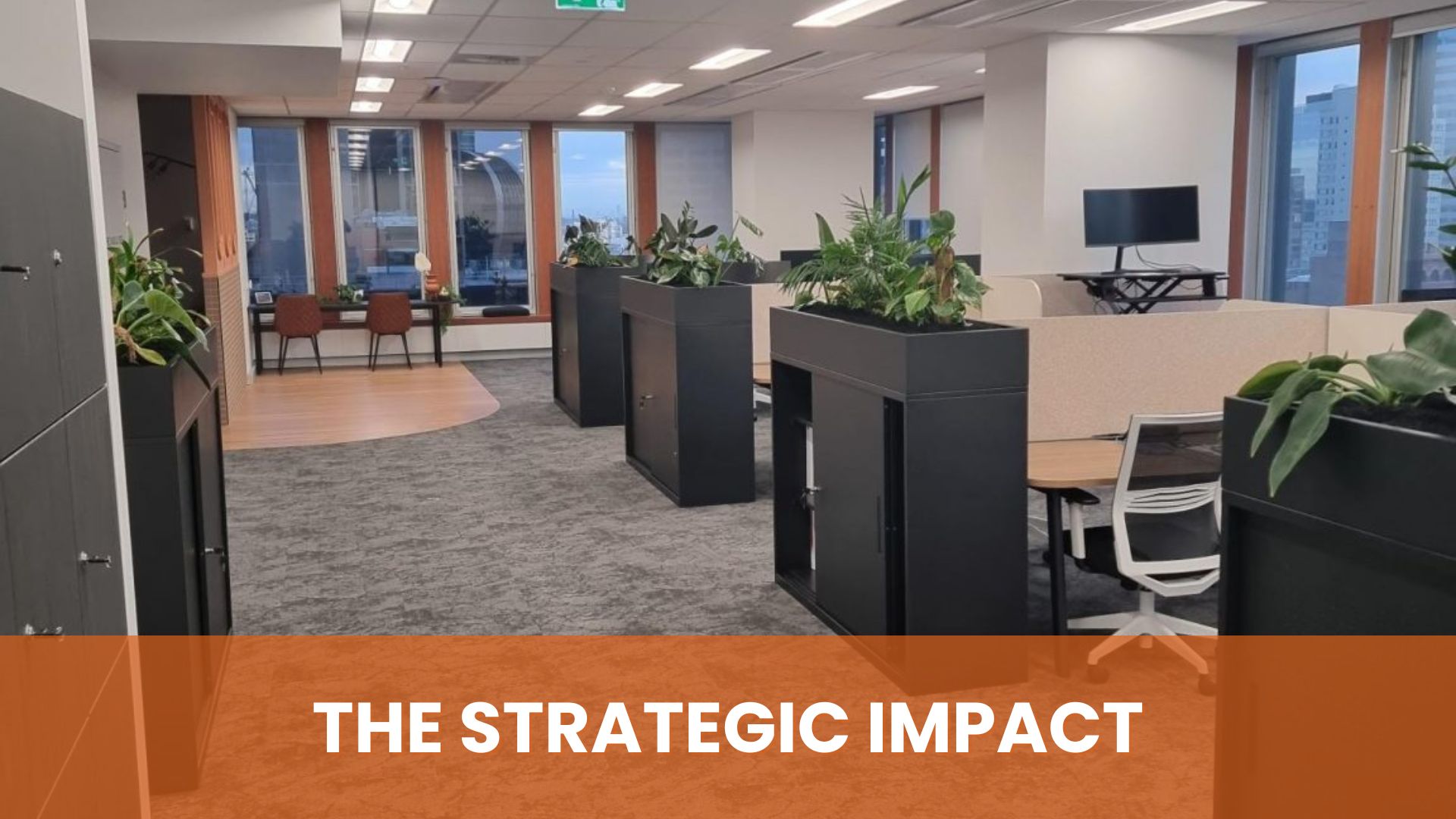
Why Your Choice of Commercial Electrician Is a Strategic Business Decision
Choosing a commercial electrician is no longer a procurement decision. It’s a risk management decision. In Sydney’s 2026 regulatory environment, the wrong contractor can leave you with an uninsured building, a failed development application, or a switchboard that can’t support your operational future.
We saw this clearly during our Australia Post Strathfield project. The challenge wasn’t the wiring—it was the constraint: an 8-week deadline, a 24/7 operational facility, and a switchboard that needed a full upgrade without any power interruption to the mail sorting floor. That’s a project management problem as much as an electrical one. The firms that succeed in 2026 are those that have developed systems, not just skills.
NCC 2022
National Construction Code 2022—the compliance baseline every Sydney commercial project must now meetNCC 2022 introduced significantly tighter energy efficiency requirements for commercial buildings, including minimum insulation values, LED lighting controls, and building sealing standards that directly affect electrical design.Source: ABCB — ncc.abcb.gov.au
The electrical infrastructure of a modern Sydney commercial building is its central nervous system. When it fails, everything fails. When it’s designed well, it enables everything—smart building controls, energy optimisation, tenant experience, and asset value retention.
That’s why the best commercial electricians in 2026 aren’t just electricians. They’re building performance consultants who happen to be licensed to do the physical work.
Frequently Asked Questions
Ready to Upgrade Your Infrastructure?
Talk to our expert team about your project. We’ll provide a clear scope, honest timeline, and a compliance-first strategy — no paper forms, no surprises.